Category: Uncategorized

The stakes of striking

Most media seems to have jumped on the pay bandwagon with regards to the teacher strikes. What I feel has been pushed under the rug is discussing conditions. I have been teaching for 8 years, I am a middle leader (head of department) and even if I were paid double what I am paid now, I would not stay in the profession for more than another couple of years. I would not be able to for the sake of my family and my own physical and mental health. So here is my take on the situation.

Working time

Why are teachers striking? They get paid a decent salary, don’t they? The answer would be yes, if the conditions of our job were what they are supposed to be. No teacher works 8:30 to 16:00, 39 weeks a year which are technically our contracted hours. We are expected to do so much more than just deliver our subject. We cannot fit all our planning, preparation, pastoral responsibilities and meetings into that allocated time. The vast majority of teachers work evenings, weekends and through their holidays. If teachers get paid enough and our conditions are so good, why do we have a teacher training and retention crisis?

Support

Due to the lack of funding, schools cannot employ sufficient support staff or are unable to retain these valuable people because they can earn more stacking shelves in a supermarket with less stress and hassle. Why don’t schools pay them more? There isn’t enough funding. The last teacher pay rise had to be found from existing budgets. This means less money for support staff and other vital resources. The local authorities do not pay enough in addition for the students who should have 1-to-1 teaching assistants, the funding to tackle the rise in mental health concerns is non-existent and external services are so overrun that waiting times can be up to a year. And yet, schools are expected to manage it all.

Responsibilities

This leads to the fact that teachers then have to pick up the slack, meaning not only do we have to deliver our subject to a class of 30, but we also have to support all the additional needs, which are not just learning based. We have to be psychologists and therapists, support parents in understanding the requirements for their children’s success sometimes without their support. We have to ensure that all students are making sufficient progress, despite some of the students being several years behind in their developmental age and therefore really needing 1-to-1 support.

External attitudes

In addition, the verbal abuse and poor attitudes teachers have deal with from both students and parents is appalling. The Government shows no value for the education sector, which has led to the decline of both student and parent attitudes towards the sector as well. How many parents really appreciate the fact that in a state school, for at least 6.5h a day, your child is being given the skills and knowledge to drive their future by people committed and dedicated to see your child succeed? Parents argue because their child gets a detention for not doing their homework or disrupting the class’s learning but are then surprised to see that their child is not passing in their subjects or blame it on the teacher. Furthermore, for some reason, the schools are to blame that these students don’t pass or make expected progress despite the school doing everything in their means to support all students.

What’s the solution?

There needs to be an overhaul of the whole system. While I appreciate the strikes cause disruption to learning, the Government doesn’t seem to want to listen otherwise. We cannot continue with students going into secondary school with a reading age of 7 or sometimes less. If the Government doesn’t want to pay more, then more accountability needs to be put on parents and students themselves. Perhaps privatising the whole system will enable schools to have more autonomy and actually get the funding they need? Teachers can but guide and show a good path. We cannot force students to behave like decent human beings or make an effort in their learning. These attitudes start well before a child steps into the school environment. If the Government expects us to raise children, give them morals and values, in effect be their parents, in addition to furthering their skills and subject knowledge, the funding must be improved as classroom teachers cannot continue as they are. There won’t be any teachers left soon otherwise.

A couple of weeks later (washable nappies continued)

I have now been using washable nappies for a couple of weeks. I am still using them only during the day as DD has quite significant output and I do not want to be getting up in the night just for the sake of a nappy change, but I am using 5-6 washable nappies a day.

General findings

The wraps stain more than the nappies. It may be just because of the shape of the wraps that the area where the poo goes has a greater risk of becoming scrunched and therefore the water and detergent can’t get at the area as well during a regular wash cycle. If available, a coloured wrap (rather than white) might be worthwhile.

When storing soiled nappies until you have a wash load, ensure the nappies stay wet, otherwise the stains don’t come out as easily.

Microfibre vs bamboo

I have found that microfibre draws moisture away from the skin better than bamboo, but bamboo can store more. I therefore use two liners, the microfibre one on skin, then a bamboo liner and then the nappy and wrap. Unless DD does a poo, I change the nappy every 2-3 hours. I have heard from other mothers that microfibre is so good at removing the moisture that it can dry out the skin, but I have not yet had any skin issues while using the microfibre liners. In addition, poo stains come out of microfibre more easily than the bamboo liners.

Flushable liners

I used the flushable liners for a couple of days but then decided to stop. They are good at catching the solid part of poo, which makes removing stains easier, but DD skin started getting a bit red when using them, so I chose to stop. It has meant that I must take extra care when putting soiled nappies in the wash, because if any parts with poo get scrunched up, the stains don’t always come out.

Popper nappies

I received a couple of all-in-one nappies with poppers. I have yet to try these properly as when I tried them on DD (now 11 weeks), they seemed too big. Although you can adjust the length of the part that goes in between the legs it seemed a bit loose around the legs. I’d rather continue using the little lamb ones for the time being than risk poo explosions all over everything. I can also already see the difficulty of getting poo stains out of the liners that don’t appear to be removable. I will try again when DD has grown a bit.


Overall, I like the little lamb washable nappies more than I expected and will definitely continue using them.
Washable nappies

In August this year I gave birth to my lovely little baby girl (I will refer to her as DD – darling daughter). With babies also comes the business of nappies. We started off with regular disposable nappies and for whatever reason my husband insists on buying the most expensive brand in supermarkets. As I do most of the nappy changes, I decided to investigate washable ones mostly for the sake of saving money.

Thanks to the lovely Harriet from GECCO Charity, I was given the opportunity to try out washable nappies before purchasing a set. Without this opportunity I don’t think I would have gone the washable nappy route due to the high initial cost of purchase. I decided to log my experience as I go along a) to give feedback to the charity and b) to share the experience with any other mums (to be) who might be interested in using washable nappies.

My experience with disposable nappies includes nappy rash and leakages (especially explosive poos up the back) so I was hoping to avoid at least one if not both situations. In addition, buying disposable nappies is expensive in the long run and washable nappies are more sustainable, especially if they are passed on when one family has no more need for them.

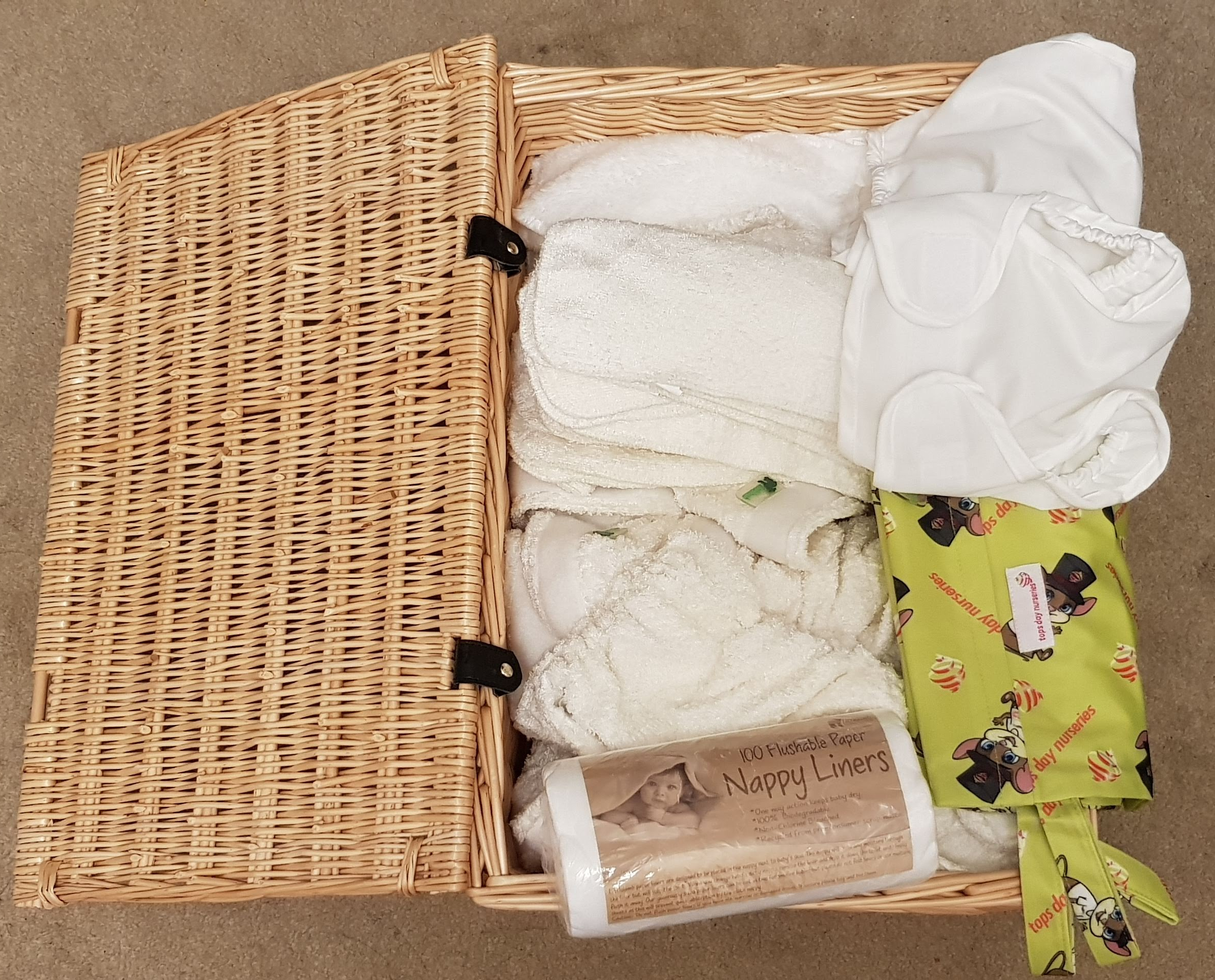
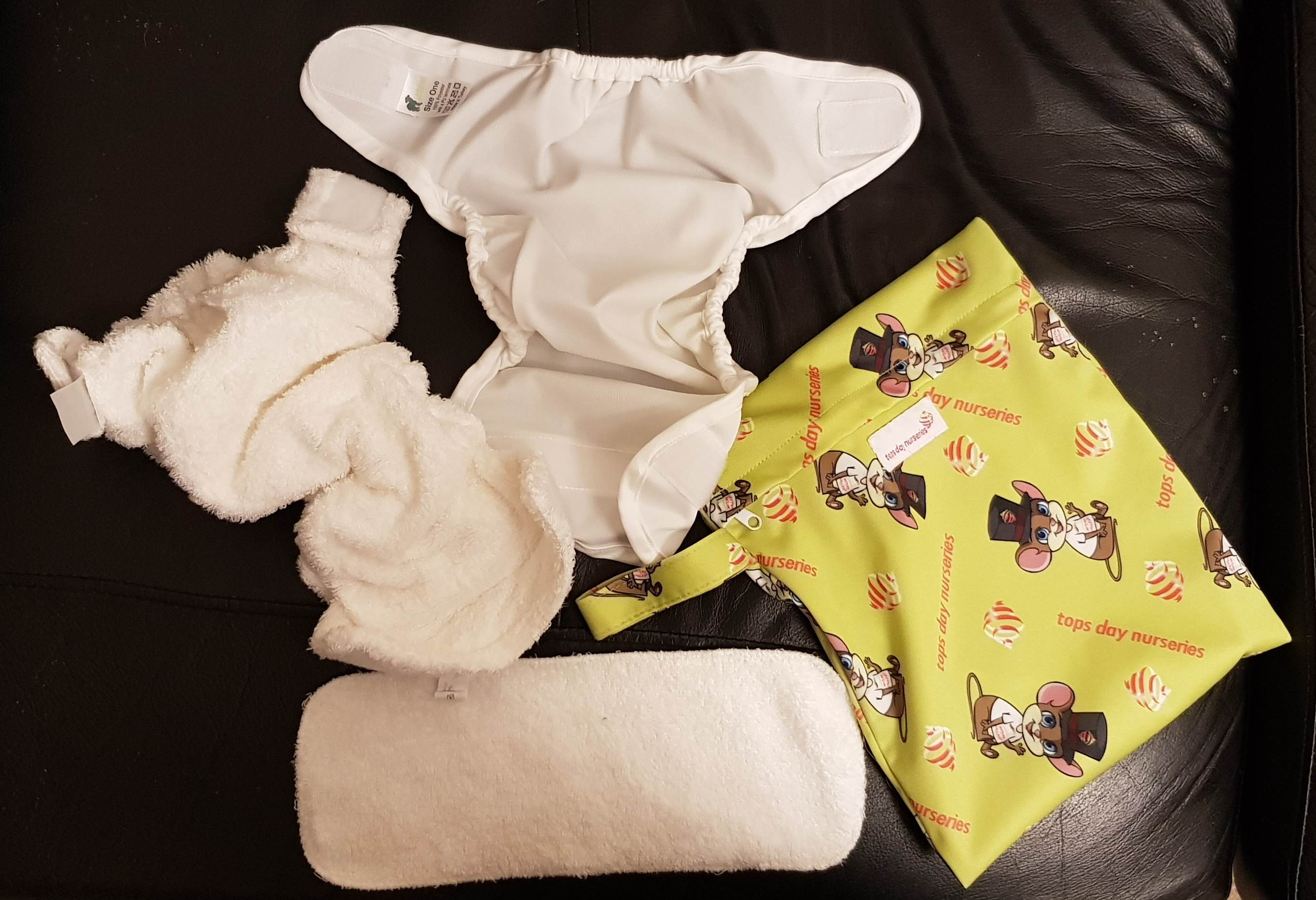
The hamper I received to borrow (which looks lovely and is nice and light weight) contains 20 bamboo nappies, 20 bamboo liners, 20 microfiber liners, 3 wraps, a pack of 100 flushable paper liners and 3 small wetbags.

20191016_210124.jpg

20191018_191634

Here are some thoughts from the first 24 hours:

  • Read the instructions! I was surprised to find you need to wash your new nappies 3-4 times before use to ensure absorbency (thank you Harriet for doing this for me).
  • I think the bamboo material is lovely. It is very soft and feels comfy.
  • The nappies are much easier to assemble than I originally thought. This particular design allows quite a bit of growth as well before needing to go up a size. I would suggest folding in any Velcro before you start, otherwise it can get caught on clothes etc and make nappy changes a bit fiddly.
  • Bigger poos come out the side of the nappy but are contained by the wrap. However, due to the wrap being quite big, the pooh was all over DD’s thighs instead of up her back. Also, 3 wraps may not be enough if your baby does multiple poos a day.
  • The flushable liners are an odd size for the nappies. I’m not sure whether you are supposed to wrap them round the nappy, fold them double or if there is a penny that still needs to drop for me to use them effectively. If your baby is still doing rather watery poos, the flushable liner isn’t much use as the poo spreads out.
  • It may just be that DD does big wees but I need to change the washable nappies more often than disposable ones. The washable nappies quickly feel wet and cold. In comparison, I was using an average of 8 disposable nappies a day whereas I needed 11 washable ones on that day. Also, DD becomes fussy when the washable nappy is wet, which only happened with disposable ones if they became very full. I have only used the bamboo liners so far and just one liner each time. I’ll try the microfiber ones next and doubling/tripling up after that to see how much of a difference it makes. Due to needing to change the nappies more frequently I decided to put a disposable nappy on her for the night as she does sleep 5-6 hours and I didn’t particularly want to start getting up extra in the night.
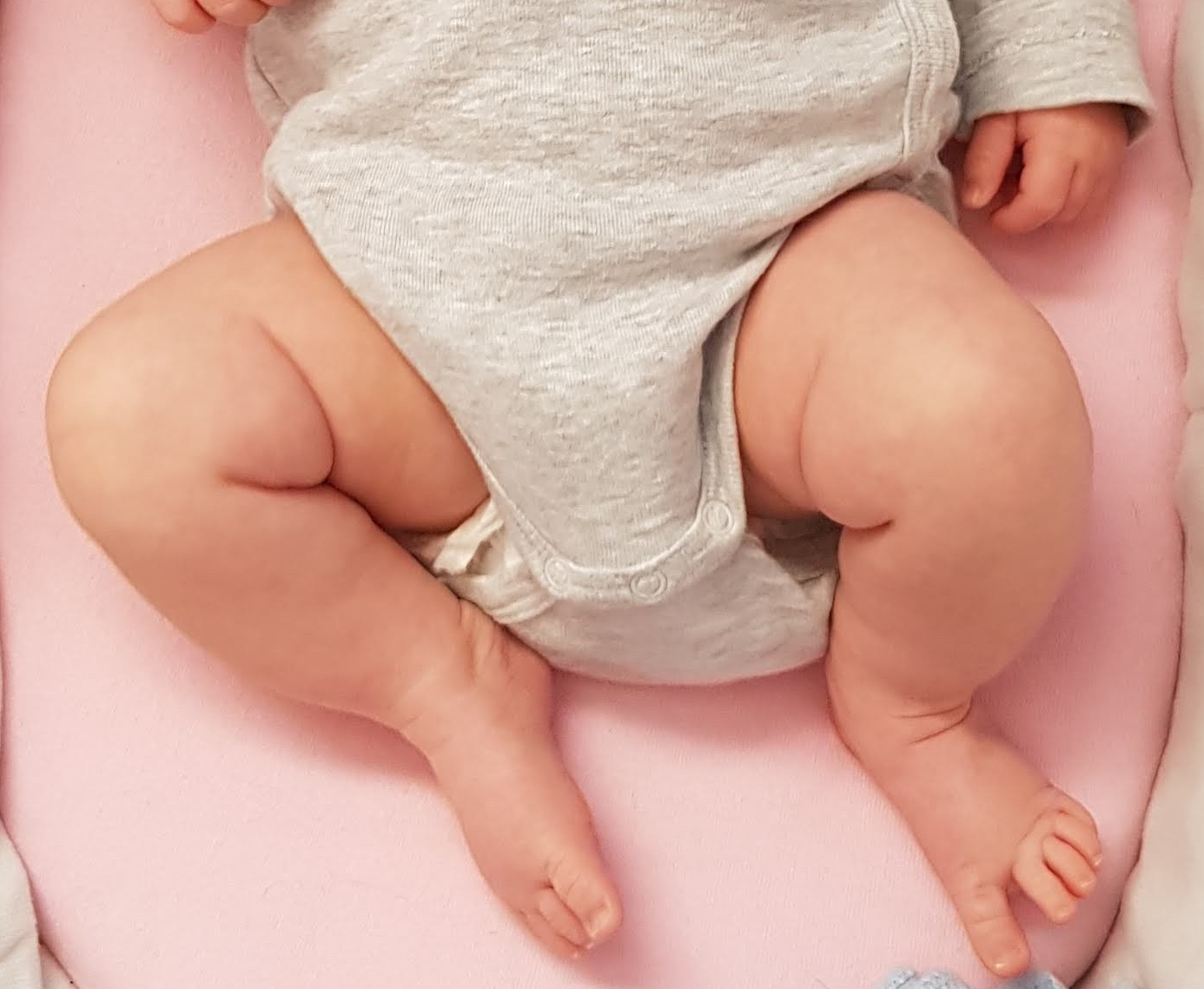
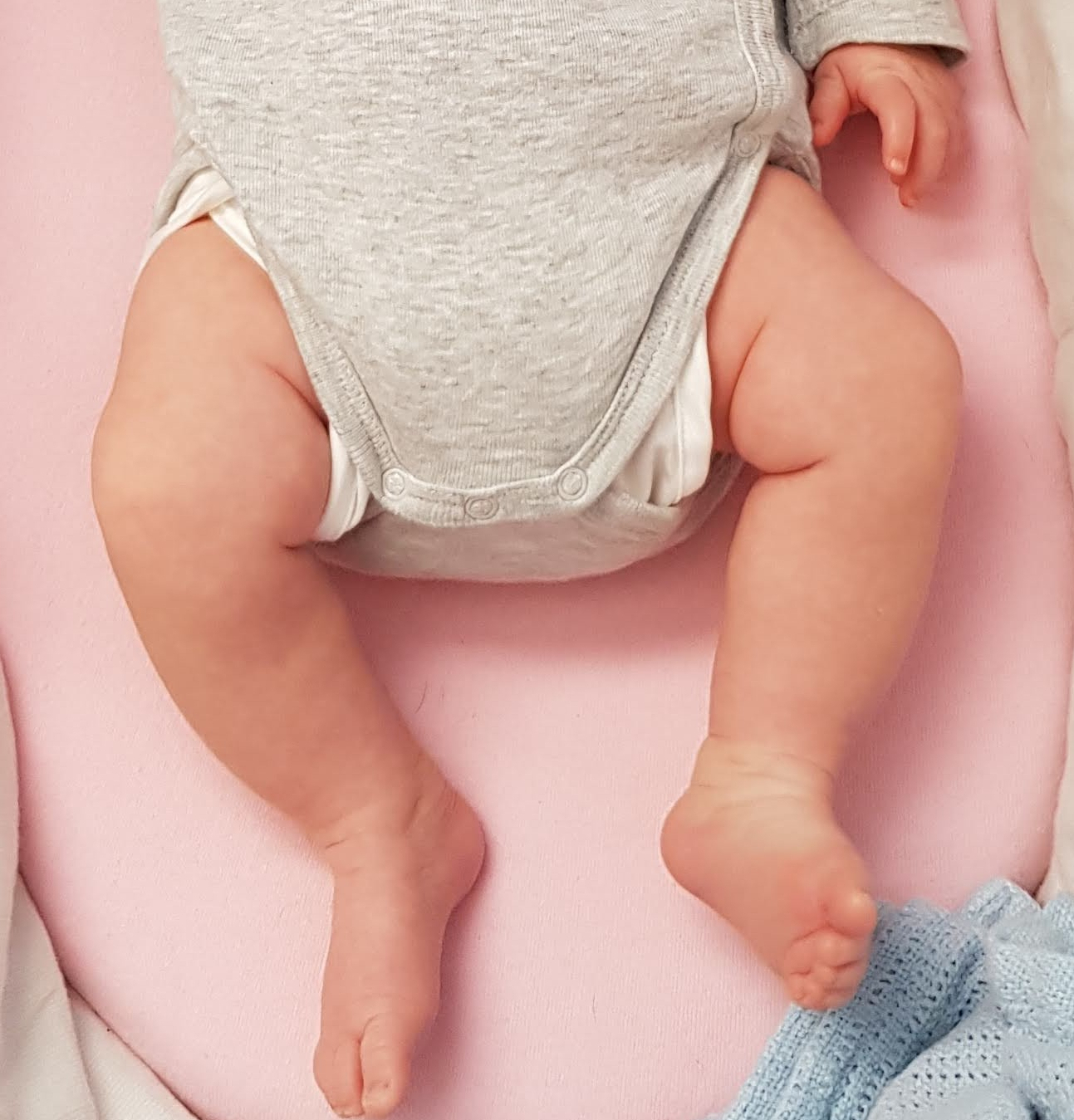
  • If your baby’s clothes just fit them with a regular nappy, you will need bigger clothes for a washable nappy. They do take up more room.

20191018_091457.jpg
Disposable

20191018_092213
Washable

  • You will need some sort of closable waterproof bag or box for the used nappies. The wetbags that came with the hamper are for when you are out and about, not for storing wet nappies at home before a wash.
  • 10 nappies are about half a wash load so you would need more than 20 nappies to use washable nappies all the time and not waste energy and water on half full wash loads.
  • I purposefully decided to not use any nappy rash creams to see how DD’s skin reacts in washable nappies. So far, so good and no nappy rash to be seen.
  • I was initially worried that poo stains wouldn’t come out, but I used a pre-wash and regular wash with a well-known stain remover added to the wash (no soaking beforehand) which took the poo out nicely.

In conclusion, although washable nappies have their pros and cons, so do disposable ones. I will continue using washable ones as they seem to be kinder on the skin but due to needing more frequent changes I will keep using disposable ones at night. Washable nappies will definitely be a go-to when I want to potty train DD, as it should convince her to go on the potty rather than be lazy and go in the nappy. You will probably need more than 20 nappies to use them all the time. I would rather hire hampers than purchase them due to the high initial cost of purchasing washable nappies and the potential to reuse which would save even more energy and resources.

I will post updates as I go along.

Figuring things out…

What happened to that vital life skill? Why do people just leave a bad situation as it is instead of figuring out a way to fix it or make it better?

In this day and age where a qualification with a fancy title on a piece of paper seems to be the only measure to go by, why are people unable to figure things out? We are after all supposed to be wise are we not? Or am I just being unfair and should lower my expectations of human kind?

I can understand that people don’t always have the knowledge to figure out complex problems that are outside of their competencies but flat pack furniture has instructions… It is not that difficult… Or changing a light bulb… It is not rocket science. If there are boxes in the way of your cupboard door, you move them do you not, instead of just piling your cloths on a chair?

Life would be so much easier if people actually used their brains.